
Introduction
Cities across the world are facing mounting pressure to reduce air pollution, meet climate targets, and improve public health. One of the most widely adopted policy tools to address these challenges is the creation of urban emission zones. These designated areas regulate or restrict access for high-polluting vehicles and encourage cleaner transportation alternatives.
Urban emission zones are reshaping transportation systems, influencing real estate values, changing logistics strategies, and accelerating the transition toward electric mobility. While they primarily target environmental outcomes, their economic and market consequences are extensive and increasingly visible across sectors.
This article explores how urban emission zones function, why they are expanding globally, and how they are transforming markets ranging from automotive manufacturing to retail logistics and urban property investment.
What Are Urban Emission Zones
Urban emission zones are defined geographic areas where authorities regulate vehicle access based on emission standards. These policies aim to reduce harmful pollutants such as nitrogen oxides, particulate matter, and carbon dioxide in densely populated districts.
Common types of emission zones include:
- Low Emission Zones that restrict older diesel and petrol vehicles
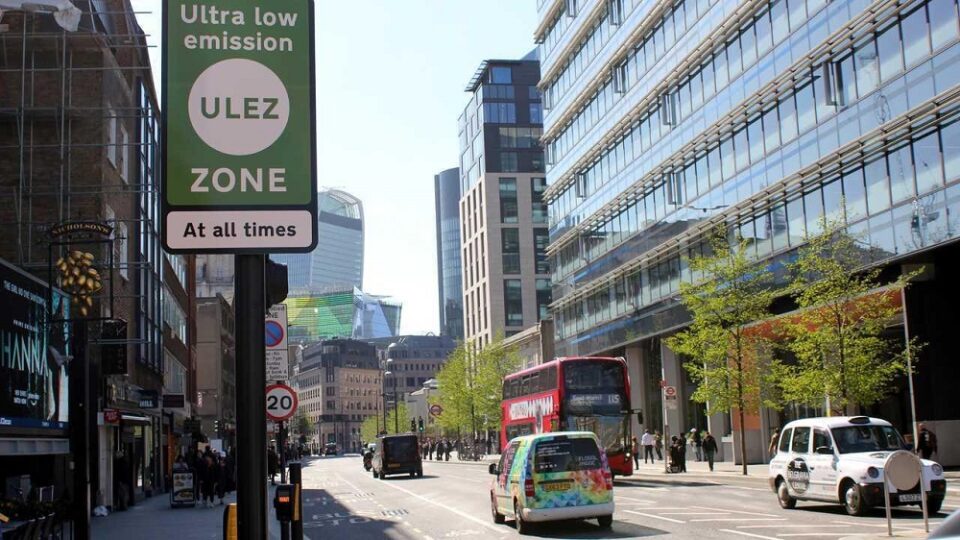
- Ultra Low Emission Zones that enforce stricter pollution thresholds
- Zero Emission Zones that allow only electric or hydrogen vehicles
- Congestion-linked emission zones that combine traffic reduction with environmental goals
Cities typically enforce compliance using license plate recognition systems and automated penalties. Over time, these zones become progressively stricter as governments phase out older vehicles and incentivize cleaner technologies.
Why Cities Are Expanding Emission Zones
Urban emission zones are expanding rapidly due to a combination of environmental urgency and regulatory pressure.
Key drivers include:
- Rising public health concerns linked to urban air pollution
- Climate commitments aligned with international agreements
- Increasing urban population density
- Pressure to modernize transportation infrastructure
- Technological improvements in vehicle monitoring systems
Cities that once relied on voluntary environmental programs now increasingly adopt mandatory emission controls as part of long-term sustainability strategies.
Impact on the Automotive Industry
The automotive industry is one of the sectors most directly affected by emission zone policies. Restrictions on combustion engine vehicles accelerate shifts in production priorities and consumer demand patterns.
Major consequences include:
- Increased demand for electric vehicles
- Faster depreciation of older diesel vehicles
- Growth in hybrid vehicle adoption
- Expansion of charging infrastructure markets
- Rising investment in battery innovation
Manufacturers that adapt quickly to these transitions gain competitive advantages, while companies slow to respond face shrinking market access in major metropolitan areas.
Emission zones also influence fleet purchasing decisions among businesses. Corporate vehicle operators increasingly prioritize compliance-ready vehicles to avoid access restrictions and penalties.
Changes in Urban Logistics and Delivery Markets
Urban logistics providers face significant operational changes due to emission zone regulations. Delivery companies operating within restricted zones must rethink fleet composition and routing strategies.
Key market responses include:
- Adoption of electric delivery vans
- Deployment of cargo bike delivery systems
- Development of urban micro-distribution hubs
- Increased investment in route optimization software
Retailers that rely on same-day delivery services must adapt quickly to maintain service levels within regulated zones. As a result, last-mile logistics innovation has accelerated significantly in cities implementing emission controls.
These shifts are reshaping the structure of urban freight markets and creating opportunities for new logistics startups specializing in sustainable delivery solutions.
Effects on Real Estate Markets
Urban emission zones influence residential and commercial real estate values in several ways. Properties located inside cleaner transportation corridors often become more attractive due to improved air quality and reduced traffic congestion.
Observed real estate trends include:
- Higher residential demand in emission-controlled districts
- Increased office occupancy in low-pollution zones
- Growth in pedestrian-friendly commercial corridors
- Rising demand for parking infrastructure compatible with electric vehicles
Developers increasingly integrate electric vehicle charging stations and mobility-friendly design elements into new construction projects to remain competitive.
At the same time, areas located outside emission zones may experience shifting demand patterns as transportation accessibility changes.
Retail Sector Adaptation
Retail businesses operating inside emission zones face both challenges and opportunities. While vehicle access restrictions can initially disrupt supply chains, long-term benefits often include increased foot traffic and improved urban livability.
Important retail market adjustments include:
- Expansion of neighborhood-based fulfillment centers
- Increased reliance on bicycle delivery services
- Growth in localized inventory storage
- Higher investment in digital order management systems
Retailers that integrate sustainable delivery models early often gain reputational advantages among environmentally conscious consumers.
Public Transportation Market Growth
Urban emission zones encourage greater reliance on public transportation systems. As private vehicle restrictions increase, commuters shift toward buses, metro systems, and shared mobility solutions.
Market consequences include:
- Increased ridership on public transit networks
- Expansion of electric bus fleets
- Growth in shared mobility services
- Rising investment in rail infrastructure modernization
Public transit operators benefit from increased usage while governments gain stronger justification for expanding sustainable transport budgets.
Implications for Energy Markets
Urban emission zones accelerate demand for electricity as transportation systems transition away from fossil fuels. This shift creates ripple effects across energy infrastructure planning and investment priorities.
Energy market impacts include:
- Expansion of urban charging station networks
- Increased grid capacity requirements
- Growth in renewable energy integration
- Development of smart charging systems
Utilities are adapting to support higher transportation electrification loads while maintaining grid stability.
Small Business Challenges and Opportunities
Small businesses often face short-term adaptation costs when emission zones are introduced. However, they also benefit from improved neighborhood accessibility and environmental quality over time.
Common small business responses include:
- Transitioning to compliant delivery vehicles
- Partnering with shared logistics providers
- Adjusting supplier relationships
- Expanding local sourcing strategies
Support programs from municipal governments frequently help offset transition costs during early implementation phases.
Policy Design Influences Market Outcomes
The economic effects of emission zones depend heavily on policy structure and implementation timelines. Cities that introduce phased compliance schedules tend to achieve smoother transitions with fewer disruptions.
Effective policy design elements include:
- Gradual enforcement timelines
- Financial incentives for vehicle replacement
- Clear communication strategies
- Integration with public transit expansion plans
Markets respond more positively when businesses and residents have predictable adjustment periods.
Global Expansion Trends
Urban emission zones are no longer limited to European cities. Similar policies are expanding across North America, Asia, and emerging metropolitan regions worldwide.
Key global trends include:
- Integration of emission zones into climate action plans
- Alignment with national clean mobility targets
- Increasing adoption of zero-emission freight corridors
- Cross-city policy coordination initiatives
As more cities adopt these frameworks, emission zones are becoming a standard feature of modern urban governance rather than an experimental policy tool.
Long-Term Market Transformation
Over the long term, emission zones are expected to reshape urban economies by encouraging cleaner transportation technologies and more efficient logistics systems.
Anticipated developments include:
- Growth in electric mobility manufacturing ecosystems
- Expansion of smart infrastructure investment
- Increased adoption of mobility-as-a-service platforms
- Stronger integration between transportation and energy planning
Cities implementing emission zones today are positioning themselves for leadership in sustainable urban development models.
Conclusion
Urban emission zones are transforming how cities manage transportation, environmental quality, and economic activity. While initially introduced as air pollution control measures, they now serve as catalysts for broader market change across industries.
Their influence extends beyond mobility regulation to reshape logistics strategies, real estate development patterns, retail operations, and energy infrastructure investment. As adoption expands globally, emission zones will continue to play a central role in shaping the structure of future urban economies.
FAQ Section
1. How do emission zones affect tourism activity in major cities
Emission zones often improve air quality and pedestrian environments, making urban centers more attractive to visitors. However, rental vehicle restrictions may require tourists to rely more heavily on public transportation.
2. Are emission zones permanent once implemented
Most emission zones evolve over time rather than remaining fixed. Cities typically tighten standards gradually as cleaner technologies become more widely available.
3. Do emission zones increase transportation costs for commuters
Short-term costs may rise for drivers using older vehicles, but long-term expenses often stabilize as public transportation and electric vehicle adoption increase.
4. Can emission zones reduce urban traffic congestion
Yes. Many emission zones indirectly reduce congestion by discouraging unnecessary car use and encouraging alternative mobility options.
5. How do emission zones influence ride-sharing companies
Ride-sharing operators frequently upgrade fleets to meet compliance standards and increasingly integrate electric vehicles into their service networks.
6. Are emission zones effective in reducing greenhouse gas emissions
When combined with electrification policies and renewable energy adoption, emission zones can significantly lower transportation-related emissions in urban areas.
7. What role do digital technologies play in emission zone enforcement
Automated camera systems, license plate recognition tools, and centralized compliance databases enable efficient monitoring and enforcement across large metropolitan regions.
